
Rules for knives - Know the law in Denmark and avoid fines now
Knife rules basically deal with when you can buy, carry, transport and use a knife without it being perceived as unsafe or illegal. Because the rules can depend on the situation, type of knife and purpose, it makes sense to know the typical pitfalls before you take the knife from home.
Knife legislation in Denmark
Knife legislation in Denmark regulates in particular when a knife may be carried in public spaces. A central principle is that you must have a legitimate purpose for carrying the knife, e.g. work, outdoor activities on the way to and from an activity or similar. Without a clear purpose, carrying a knife may be considered illegal. The rules are also stricter in certain environments and at events where the authorities may have special restrictions.
Blade length rules for folding knives
Blade length is often mentioned in connection with folding knives, but it is important to understand that legality is not just about centimeters. The assessment can also be about construction (e.g. locking mechanisms), how the knife appears, and what it will be used for. To avoid problems, the rule of thumb is to choose a knife that is suitable for a practical task, and only carry it when you actually need to use it.
What does “recognizable purpose” mean?
In practice, this means that you must be able to explain a factual need: for example, that you are going out to cook, go fishing, fix equipment or perform a work task. The more everyday and “neutral” the knife is, and the clearer your purpose is, the less risk of misunderstandings.
Transporting a knife in a bag and car
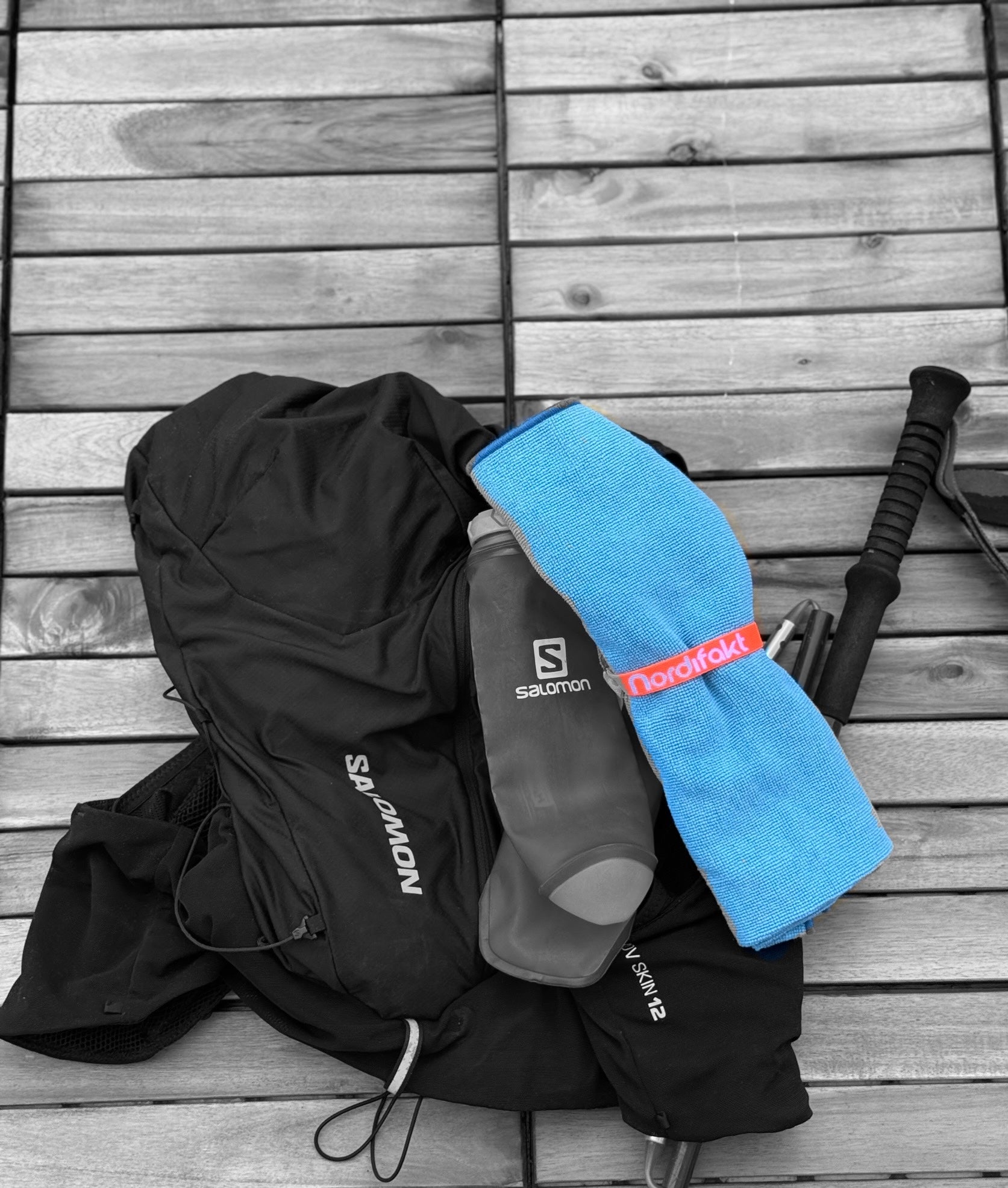
Transport is often about making the knife inaccessible during travel. A sensible approach is to pack the knife away so that you don’t carry it “ready to use”, but instead transport it with your equipment. Many people choose a solution where the knife is packed in the bag, separated from other small items, so that it doesn’t turn up loose in a pocket or in the car’s cabin. When packing for a trip, it can also be practical to have an OUTDOOR for your hands and equipment after cooking or cleaning up.
Prohibited knife types and typical misconceptions
Some types of knives may be outright prohibited or particularly problematic, and misunderstandings often arise because people confuse “owning” and “carrying”. Just because a knife can be purchased does not mean it can be carried freely everywhere. Another typical mistake is to take the knife “just in case” without a specific activity, as this can be interpreted as a lack of purpose.
How to minimize the risk of problems
- Only bring a knife when you have a specific need.
- Transport it packed away and out of reach.
- Choose a practical, understated knife for the task rather than something “tactical” in terms of design.
- Consider whether you can handle the task with another tool if you need to go through places with stricter regulations.
Responsible use on trips and in everyday life
Rules for knives are also about responsible behavior: Use the knife calmly, away from others, and only for what it is intended for. On a trip, good practice involves keeping it simple and functional, from packing to cleaning up. If you do go through your equipment before departure, you can also check the rest of the gear in one place in the Shop and make sure that everything is chosen with practical use in mind rather than “nice to have”.
Leave a comment
This site is protected by hCaptcha and the hCaptcha Privacy Policy and Terms of Service apply.