
Emergency radio best in test - check power, signal and robustness
When you search for “best emergency radio in test”, it is rarely about one single function, but about the whole: stable reception, reliable power, robustness and usability in a pressured situation. Here you will get an overview of which criteria typically make sense to compare, so that you can choose an emergency radio that suits your emergency preparedness and your trips out.
Emergency radio with solar cell and crank
An emergency radio is often rated on how many power sources it can use, because power is what makes the radio relevant when all else fails. Solar cells can be handy as a supplement, while hand cranks provide a direct, manual option to create power here and now. Many models also combine rechargeable batteries with the option of regular batteries, which can be an advantage if you want to be able to change strategies depending on the situation.
What you can specifically compare
Check if the radio can be charged in multiple ways, how easy it is to generate enough power with a hand crank, and whether solar charging can realistically maintain the battery. Also, look for clear battery level indicators so you don't have to guess.
DAB+ emergency radio or FM/AM crisis radio
The choice between DAB+ and FM/AM in a “best in test” context is primarily about coverage and robustness of reception. DAB+ can provide clear sound, but the important thing is what works in the areas you are actually in. FM/AM can still be relevant because it is widespread and simple. Some emergency radios have both, so you can switch depending on the signal conditions.
Focus on usability
A simple control panel, clear tuning and an antenna that feels solid quickly become more important than fancy menus. In an emergency, it is an advantage that the radio is intuitive to turn on, adjust and read.
Best in test criteria for emergency radio
When comparing emergency radios, it’s a good idea to evaluate them based on consistent criteria rather than gut feeling. Typical parameters include power and battery, reception, durability, flashlight, and possible power bank function. Keep in mind that “best” depends on your needs: a compact radio for your bag prioritizes weight and simplicity, while a model for the home may focus more on runtime and stability.
In “best in test” articles, you often see a high emphasis on documentation and testing methods. As a general guideline, you can look for technology that is described in concrete terms and proven, in the same way that other product categories highlight tested treatments that are added late in production to ensure effectiveness over time.
Emergency preparedness and packing list: what makes sense along with an emergency radio
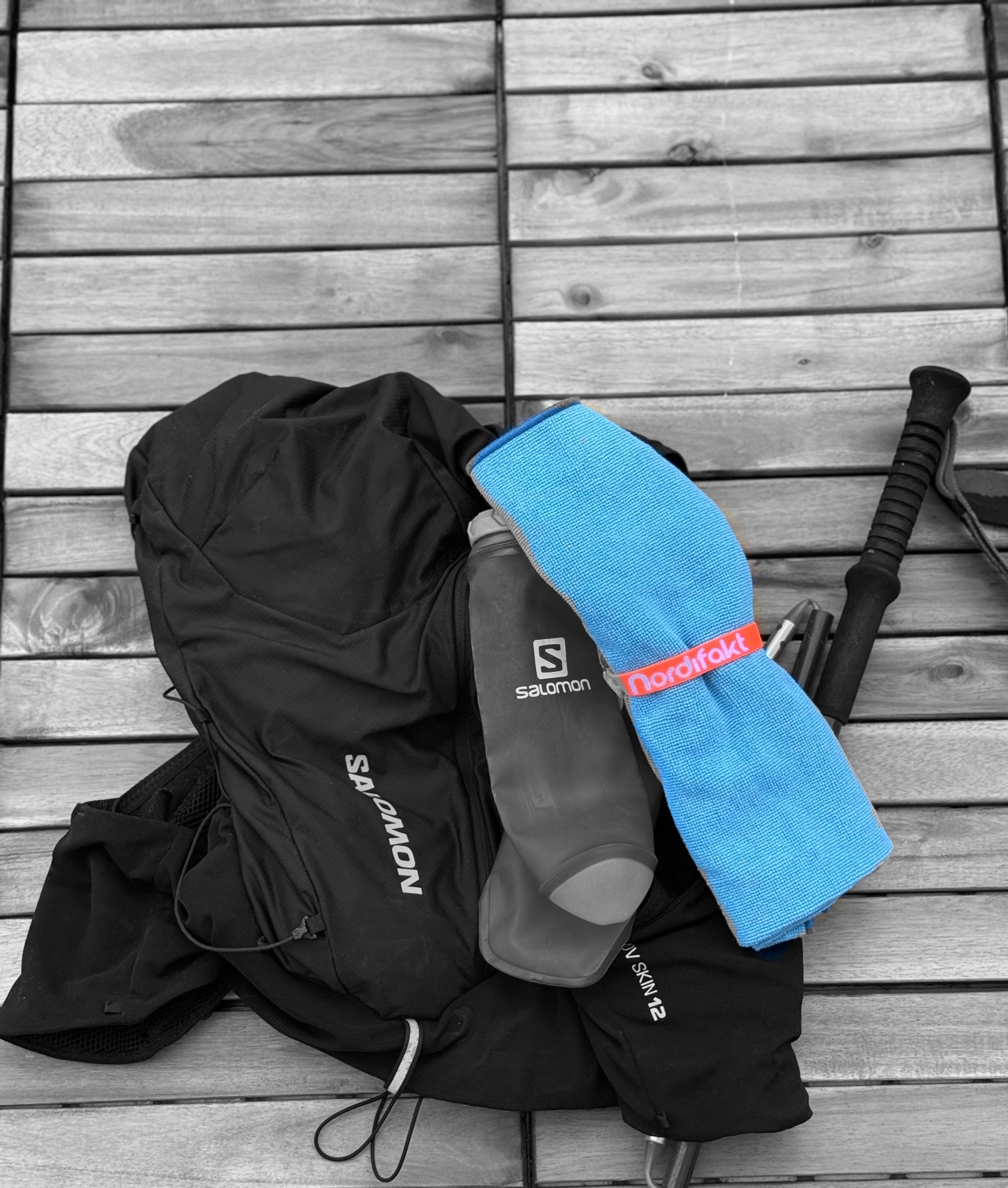
An emergency radio rarely stands alone. It works best as part of a small setup, where you also have light, heat and basic hygiene options. For trips, transport or a simple emergency, a quick-drying towel can be a practical companion because it takes up little space and can be hung up to dry, so it is ready again without unnecessary waiting. If you want to pack light and functionally, you can look at an outdoor towel , which is designed to be compact and usable on the go. At the same time, fewer washes can in practice mean lower water consumption, and less unnecessary packaging is a plus when you consider emergency preparedness and responsibility in your choices.
Leave a comment
This site is protected by hCaptcha and the hCaptcha Privacy Policy and Terms of Service apply.