
Storm lantern - choose LED or gas and get comfortable camp light
Whether you're packing for a campsite, a shelter trip, or just want a steady light as a backup, a storm lantern is a simple piece of equipment that makes a big difference. It provides orientation, peace of mind when cooking, and a fixed gathering point when darkness falls. Here's an overview of the most important choices, safety, and how to build a small, functional setup around your storm lantern.
Storm lanterns for camping and outdoor activities
A concrete example: You are standing at the table with your hands full and your forehead has to be turned while at the same time being able to see maps, knots and equipment. Here a storm lantern is more practical than a narrow flashlight because the light is distributed more widely and can be hung up or placed stably.
What characterizes a good solution?
Make sure the lantern is easy to turn on and off, provides even lighting, and is easy to position safely. It is also a good idea to have an adjustable brightness setting so you can switch between working light and more subdued light at camp.
LED storm lantern with rechargeable battery
LED storm lanterns are popular because they are simple to use and often require minimal preparation. In practice, the choice mainly comes down to how long the lantern should be able to light and whether you can charge it along the way.
Power and charging in the field
If you want to keep it flexible, you can plan for charging via power bank, solar panel or car. Also think about whether the lantern will primarily provide light for short periods of time, or whether it will run for many hours at a time. This choice matters more than high numbers in specifications, because your routine at camp determines the real need.
Gas-powered storm lantern and classic flame
A gas-powered storm lantern can provide a warm light and is easy to operate if you already have gas for cooking. However, open flames require extra care in tents, under tarps, and near dry vegetation. Only use them where they are stable and well-ventilated.
Safety as a fixed routine
Position the lantern so that it cannot tip over and keep it away from flammable materials. Have a clear “turn off and pack away” policy so that it is not left on unattended, and always allow the equipment to cool before packing it away.
Outdoor lighting: how to build a simple campfire setup
A storm lantern works best as the centerpiece of your lighting, while a small flashlight can supplement for short tasks. And it's often the small, practical things around camp that make the evening easier.
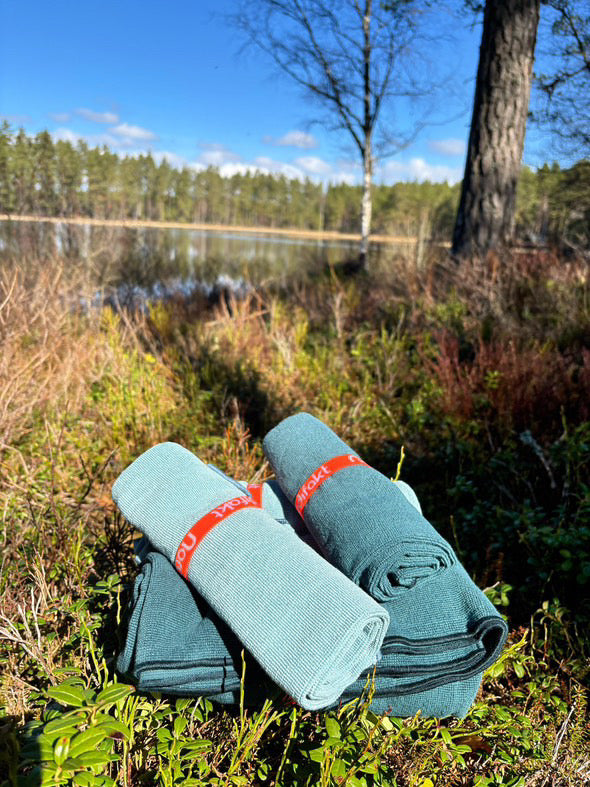
A durable, quick-drying towel, for example, can be nice to have when cooking, washing hands and cleaning up around camp, and here it makes sense to choose outdoor equipment that is made for repeated use OUTDOOR . When textiles stay fresh longer, it can also mean that they are washed less often, saving water and using less unnecessary packaging.
A little tip for organizing
Hang or position the lantern so that the light falls on the work area, not in your eyes. If your lantern has a hanging option, it can provide more even light in the camp and free up space on the table.
Stormlight vs. storm lantern: when does it make sense?
A flashlight is often used as a more directional light, while a storm lantern is typically about area lighting. If you often read maps, cook, or organize equipment, a flashlight is powerful. If you mostly move around and want to “point” the light forward, a torch may be better. Many end up combining the two, so you have both an overview of the camp and a focused light for small tasks.
Leave a comment
This site is protected by hCaptcha and the hCaptcha Privacy Policy and Terms of Service apply.