
Knife Law 7 cm - know the rules, aim correctly and avoid fines
A 7 cm blade is often mentioned when talking about Danish knife regulations in everyday life. The term “knife law 7 cm” is typically used as a rule of thumb, but it is important to understand what the limit covers, and that legality in practice also depends on the situation, purpose and where the knife is carried.
Knife rules Denmark and the 7 cm limit
In Denmark, there are special rules for carrying knives in public. “7 cm” is used because general guidelines often distinguish between shorter folding knives and larger knives, which can be more difficult to justify in everyday life. However, the decisive factor is not only the length, but also whether you have a worthy purpose for carrying the knife, as well as how the knife is constructed and carried.
When you are familiarizing yourself with the knife law, it is therefore wise to see “7 cm” as a guideline, not a guarantee.
Legal pocket knife and commendable purpose
A legal pocket knife is often assessed in the context of what you specifically need it for. Purposes such as work, outdoor activities, hobbies or other practical tasks may be relevant in certain situations, while “just in case” is typically a poor justification in public spaces.
Practical examples of purposes
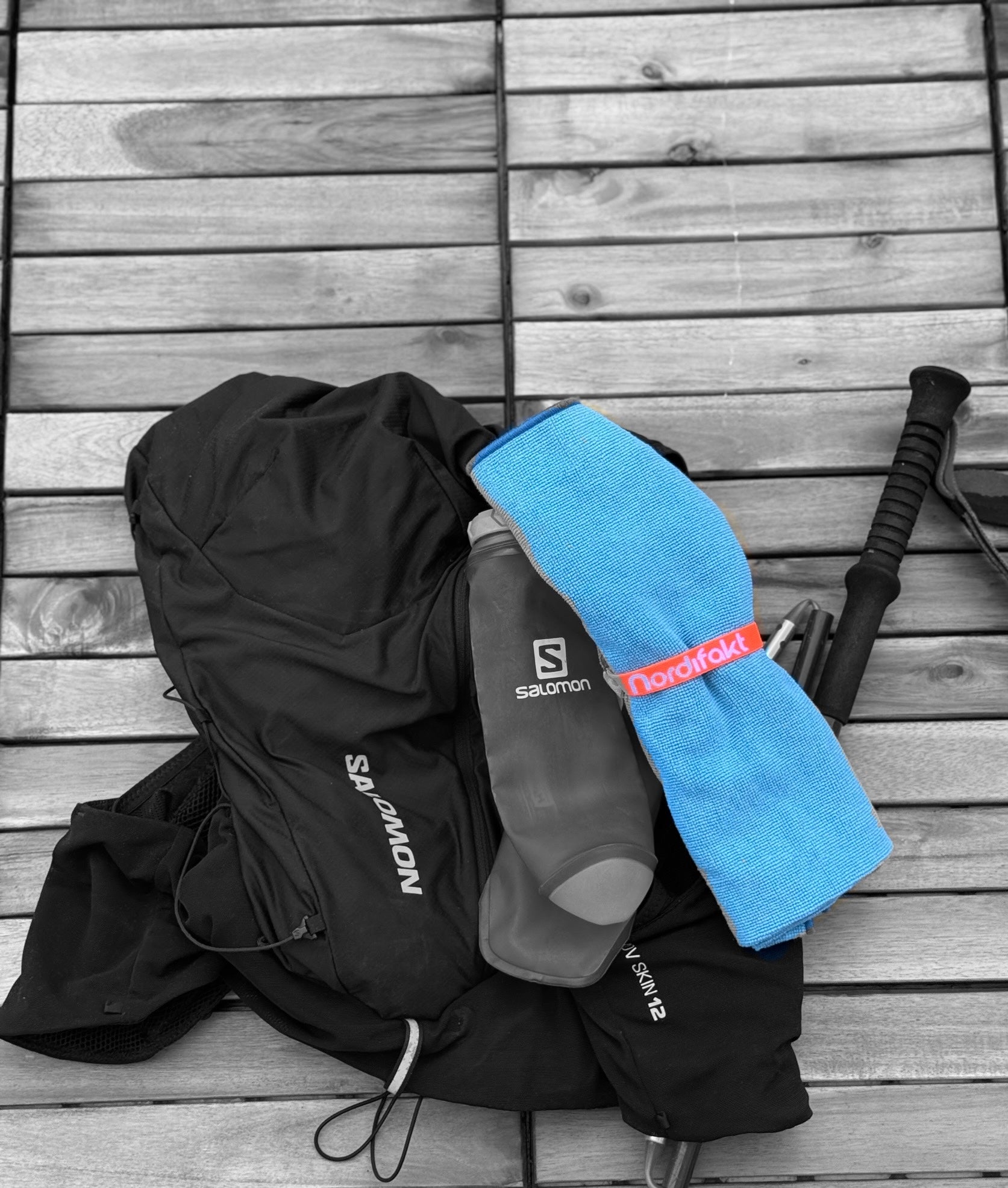
For example, if you are on a trip and need to cut rope, adjust equipment or fix a simple task along the way, it may be easier to explain the need. Here, it may also make sense to pack equipment that supports a practical purpose, such as a light towel for the trip from OUTDOOR , so that your packing is cohesive as “useful items” rather than random items.
Blade measurement: How to understand 7 cm in practice
When talking about 7 cm, there is often doubt about what is being measured: Is it the entire blade, just the sharpened part, or something else? In practice, you should measure from the start of the blade at the handle to the tip, so that you don't "guess". Small differences can mean that you misjudge the length.
Avoid classic measurement errors
A typical mistake is measuring from the wrong point on the knife or mixing up the cutting edge and blade. If in doubt, it is better to be conservative in your assessment and choose a solution that is clearly below the limit.
Exceptions to the Knife Act: work, leisure and transport
There may be situations where larger or other types of knives may be relevant if they are used as tools and transported responsibly. This is where the context comes into play: whether the knife is packed away, whether it is easily accessible, and whether you are on your way to or from an activity where it will actually be used.
If you are collecting your equipment in one place, it can also be practical to have a comprehensive overview of accessories that suit the purpose via SHOP (ALL PRODUCTS) without making it a "knife kit", but as a sensible, well-thought-out package.
Fines and consequences for violating the knife law
Violating knife rules can have serious consequences, including fines and in some cases other sanctions, depending on the circumstances. Therefore, it makes sense to be extra careful with both the blade length, purpose and way of carrying or transporting the knife.
A simple rule of thumb
If you can't clearly explain why the knife is needed right there and now, it's often a sign that it should be left at home or packed away for a situation where the need is clear.
Leave a comment
This site is protected by hCaptcha and the hCaptcha Privacy Policy and Terms of Service apply.