
Backpacker backpack - get control of fit and packing on the go
A backpacking backpack is your mobile base when you live out of what you can carry. The right backpack is not just about liters and pockets, but about comfort, weight distribution and how your gear works together to keep your pace up and your packing simple.
Choosing a backpacker backpack: size and fit
A concrete example: You are standing in the store with two backpacks in your hand, which on paper hold the same things. One feels stable and “sits” on your hips, the other pulls on your shoulders. Here, fit is crucial.
Look for an adjustable carrying system and a hip belt construction that takes the majority of the load off your back and shoulders. The rule of thumb is that a backpacker's backpack should feel balanced, even when you're walking fast, and that you can adjust it for both light and full loads.
Lightweight and pack volume: how to pack smarter
When weight and volume are limited, every backpack choice makes sense. Prioritize gear that has high function per gram and avoid unnecessary packing.
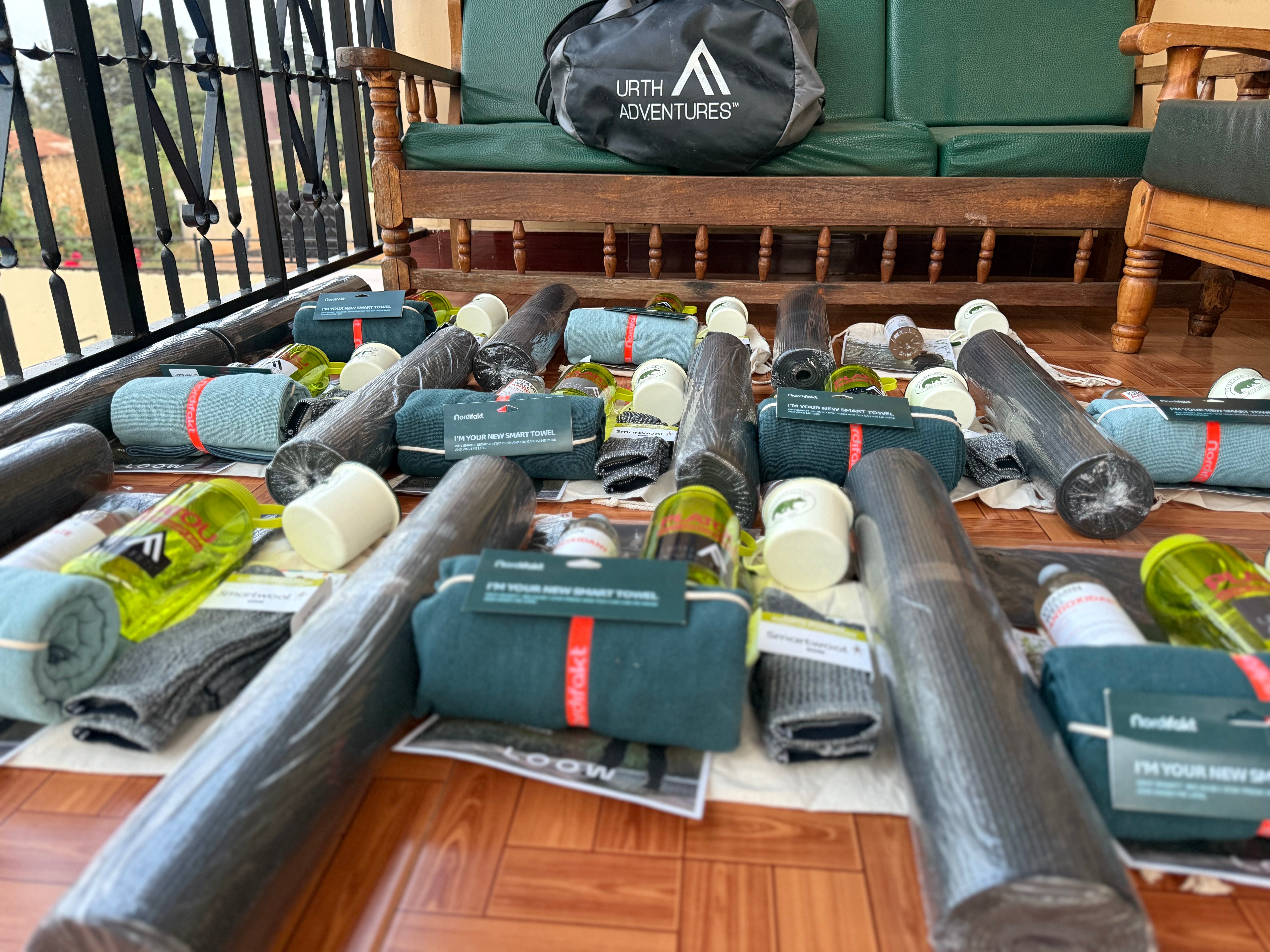
A quick-drying towel can be an underrated game-changer, as it takes up less space and is easier to carry than a classic, heavy alternative. One example is the Adventure Smart Towel , which is designed to be super absorbent and quick-drying, so it fits naturally into a backpacking setup where things often need to be able to dry on the go by hanging them up.
Choosing equipment with minimal packaging also helps save space in your backpack from the start.
Hygiene on the move: StayFresh technology in textiles
In a backpacker's backpack, clothes and textiles are packed tightly together, and moisture can quickly cause bad odors. This is where antibacterial treatment can come in handy. Polygiene StayFresh technology is a silver-based textile treatment that prevents 99.9 percent of bacteria from growing on the product.
The point in travel is not luxury, but logistics: when textiles stay fresher for longer, you can often do laundry less often. This can save water and energy on longer trips where access to a washing machine is not always easy.
Practical details: access, organization and security
A backpacker backpack works best when you can quickly find what you use most. Consider whether you prefer top-loading, front-loading, or a hybrid, depending on whether you pack like a “roller” or want to be able to open like a suitcase.
Internal compression straps can help with stability, while small, dedicated compartments make it easier to separate wet and dry items, for example. Also think about routines: passports, credit cards and chargers should be in the same place every time, so you don't mess around with the entire backpack on the go.
Extra equipment that makes sense in a backpacker backpack
The best extras are those that solve a specific need without taking up too much space. A sturdy thermos can give you better control over drinking water and hot drinks on the go, and a reusable solution reduces single-use waste.
The Premium Adventure Bottle is an example of a thermos bottle that is well suited for backpacking because it is made to be used over and over again. In general, choose accessories that can withstand repeated use and that do not require additional “follow-up” in the form of many spare parts in the backpack.
Leave a comment
This site is protected by hCaptcha and the hCaptcha Privacy Policy and Terms of Service apply.