
Knife Law - Know the rules, avoid fines and misunderstandings now
If you have a knife in your car, backpack or pocket, the rules in the knife law can quickly become relevant. Knife law is basically about when you are allowed to carry a knife in public, how it should be stored during transport, and which types of knives typically cause problems. Here you will get a calm overview of the most important themes, so that you can better navigate the rules and avoid unnecessary misunderstandings.
Knife legislation in Denmark: the central principle
The most important thing in knife legislation is not just the knife itself, but the situation surrounding it. Authorities often assess whether you have a worthy purpose and whether the knife is carried in a way that seems insecure or unnecessary. Therefore, the same knife can be more or less problematic depending on where you are and why you are carrying it.
What does “recognizable purpose” mean?
Typically, it is understood as a factual and concrete need, for example in connection with work or an activity where the knife is used as a tool. If you have the knife “just in case”, you are in a more gray area, because the purpose can be difficult to document.
Knife laws: types that often require extra care
When talking about “knife law”, it is relevant to be aware that some knife types and mechanisms are associated with a greater risk of illegality than ordinary utility knives. This is especially true of knives that appear to be weapons or that are designed for rapid use.
Tool or weapon expression
A practical rule of thumb is to think about the “signal value.” A knife that clearly resembles a work tool is often evaluated differently than a knife that resembles a weapon. Here, design, how it is carried, and context matter a lot.
Transport and storage: how to reduce the risk of problems
A large part of the challenges in knife law arise during transportation. If you really need to carry a knife as a tool, it is often wise to transport it out of reach and safely, so that it is clear that it is not being carried for quick use. This could be in luggage rather than in a pocket, for example.
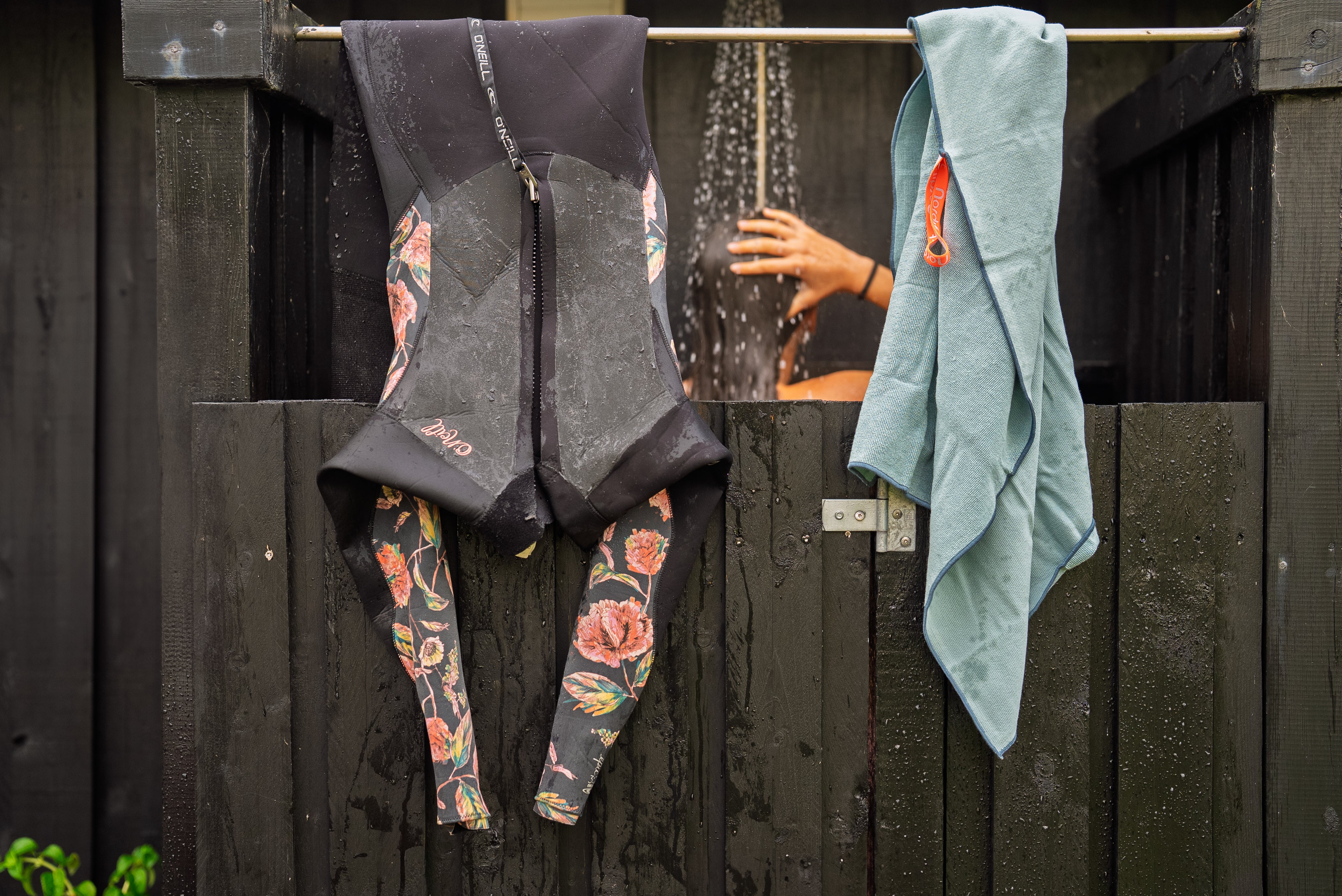
If you are on a trip and want to keep your equipment simple and practical, it also makes sense to focus on light packing and fewer things that cause doubts when checking. A quick-drying towel, for example, can be a more uncomplicated piece of equipment to take with you on the go, especially when it can be hung up and dried without being wrung out. A towel with antibacterial treatment can also mean less washing and thus lower water consumption, and that you save on unnecessary packaging. You can find a selection here: OUTDOOR TOWELS .
Consequences and common sense in practice
The rules can have real consequences if you are stopped and cannot explain your purpose, or if the knife is carried in a way that seems unnecessary. Therefore, the most solution-oriented approach is to ask yourself: Do I need it here and now, and can I justify it if asked?
A simple check before you walk out the door
- Purpose: Can you briefly explain why you have the knife with you?
- Context: Does the knife fit the activity, or does it stick out?
- Storage: Is it packed away so it doesn't appear like something worn for use in public?
Frequently asked questions about knife law
Many are in doubt because the rules in practice depend on both type, use and situation.
Does the knife law also apply to small knives?
Yes, the size of the knife alone does not determine everything. Context, purpose and how it is carried can be at least as important.
Can I have a knife in the car?
Transport by car may still be covered by the rules, especially if the knife is easily accessible. Proper storage and a specific purpose are often the decisive factors in the assessment.
Leave a comment
This site is protected by hCaptcha and the hCaptcha Privacy Policy and Terms of Service apply.