
High Peak tent - get control of your choice, setup and packing
A high peak tent is often associated with stable construction, well-thought-out ventilation and specifications that make it easier to plan overnight stays in nature. Here you will get a comprehensive overview of what you can typically look for when choosing a tent in the High Peak series, and how to pack smartly for the trip.
High Peak tent for camping and hiking
When choosing a high peak tent, it makes sense to start with the usage scenario: Will it be carried long distances, or will it be transported primarily by car? For hiking, low weight and compact pack size are often important, where a larger camping tent may prioritize headroom, more zones, and extra storage.
In the High Peak universe, for example, you see both smaller trekking models such as High Peak Kiruna 2 and High Peak Montana 2 as well as larger tents such as High Peak Nevada 3 and High Peak Kalahari 4. The number of people should be chosen based on realistic space requirements, especially if bags and equipment need to go into the inner tent or in an anteroom.
Tunnel tent or dome tent in the High Peak series
The construction affects both setup and stability. A tunnel tent often provides efficient use of space and a practical vestibule, but typically requires good peg anchors to stand optimally. Dome tents and geodesic tents are more often self-supporting, which can be an advantage on surfaces where pegs are difficult.
The High Peak Atlas 4 is an example of a more geodesic approach, where cross-bars can provide a robust form. The High Peak Lacona 3 with X-bar construction also points towards a stable, simple structure with a focus on quick set-up and flexible access via two doors.
Waterproofness and water column pressure in high peak tents
Waterproofness is typically assessed through water column pressure and construction details. For tent covers, a minimum of 2,000 mm is often mentioned as a relevant benchmark, and taped seams can help reduce the risk of penetration at seams. It is also worth looking at the base, which often has a higher water column pressure and is made of a more durable quality such as oxford polyester.
Materials like PU-coated polyester or ripstop nylon are often seen in tents because they balance weight, durability, and packability.
Ventilation and mosquito net in tent
Good ventilation is both about comfort and managing moisture from breath and wet gear. Look for adjustable vents, air channels, and mosquito netting so you can create airflow without inviting insects in.
Two doors can make it easier to control airflow and provide flexible entry and exit, especially when multiple people are sleeping in the tent or when equipment takes up space on one side.
Equipment to match a high peak tent
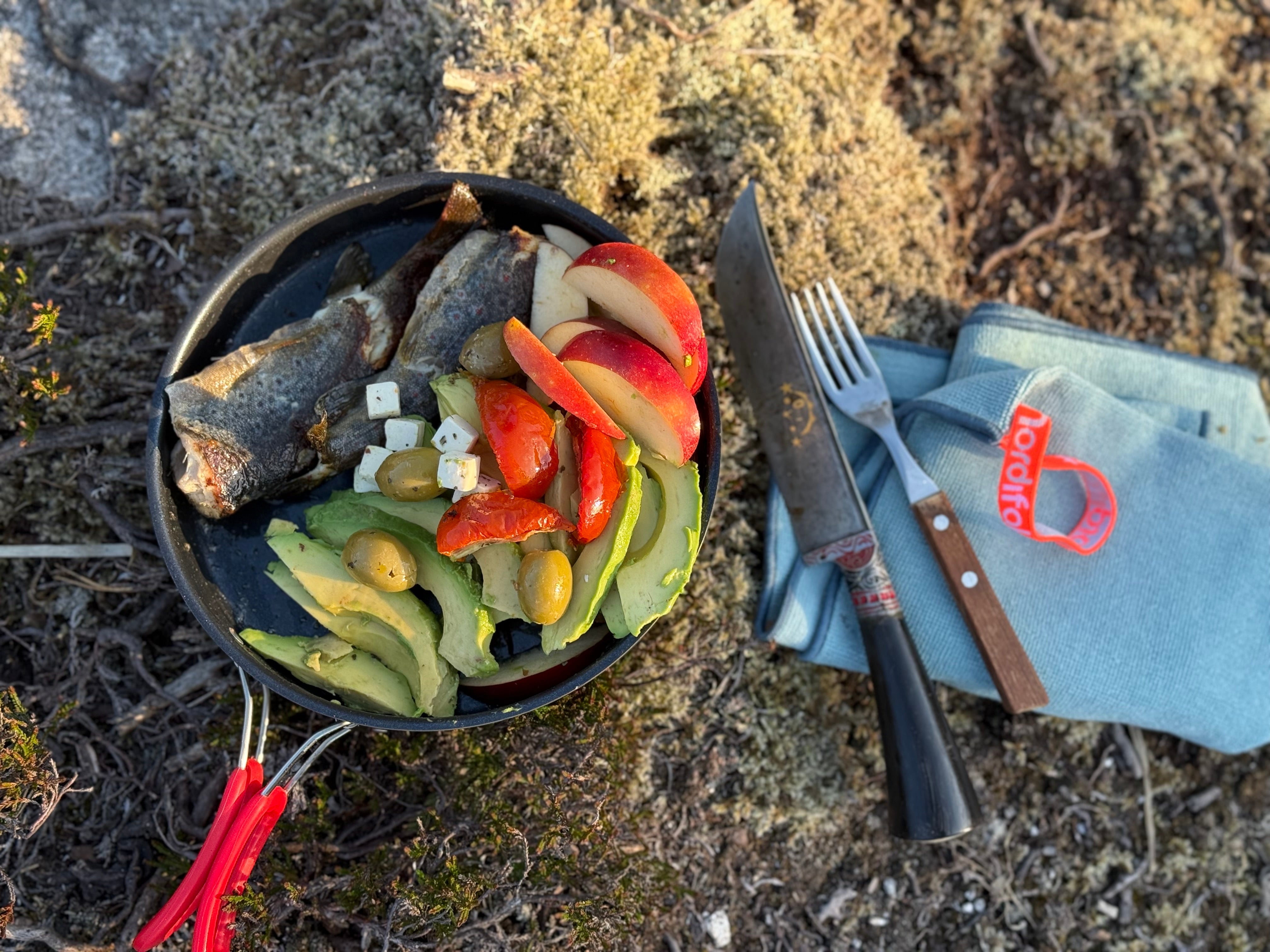
Once the tent is chosen, it's the small choices that make the package more functional. A quick-drying towel is ideal for trips because it can be hung up to dry between uses without having to wring out the water. At the same time, fewer washes on the trip can mean lower water consumption, which makes good sense when you live more simply. A towel with antibacterial treatment can also be relevant on longer trips, where fresh equipment is a practical advantage. You can find relevant towels for hiking here: towel .
Short checklist before departure
- Make sure you have control over pegs and storm lines, especially if the tent requires solid anchoring.
- Check that the weight of the package makes sense per person.
- Make sure that the ventilation can be actively used when the tent is closed.
With the basic choices in place, your high peak tent will be a peaceful base, whether the trip is short or long.
Leave a comment
This site is protected by hCaptcha and the hCaptcha Privacy Policy and Terms of Service apply.