
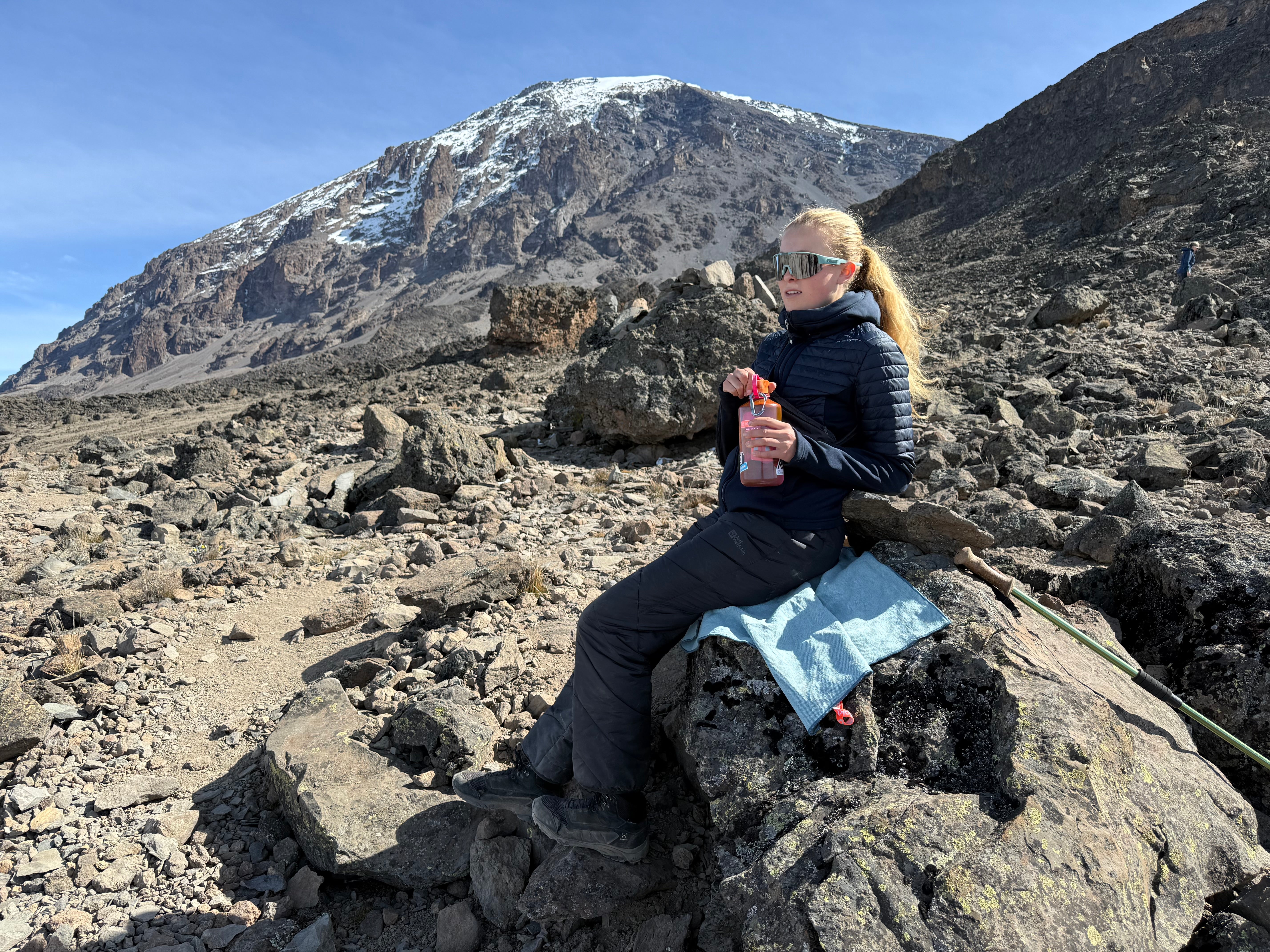
Mount Everest Base Camp altitude - how to manage 5,364 m
Mount Everest Base Camp altitude is one of the most crucial facts to know when planning the classic trek in the Khumbu Valley. Altitude affects pace, acclimatization, comfort and what small, practical choices in equipment make everyday life easier along the way.
How high is Mount Everest Base Camp?
Mount Everest Base Camp on the Nepal side is located at an altitude of approximately 5,364 meters. This is high enough that the body works with lower oxygen pressure than at sea level, and therefore even light activity can feel more strenuous. For many, the altitude is a big part of the experience: You gradually move into a thinner, more rugged mountain environment, where planning and patience become part of the adventure.
Nepal side vs. other base camps
When people talk about “Mount Everest Base Camp”, they usually mean the Nepal side at the Khumbu Glacier. There is also a base camp on the Tibet side, but the altitude and access are different. In this article, we will start with the most popular trek route to Nepal EBC at 5,364 m.
Acclimatization and altitude sickness at 5,364 m
At 5,364 m, acclimatization is not just a good idea, but a key prerequisite for a safe and stable experience. Typically, the trek lasts 10 to 14 days round trip from Lukla, precisely to give the body time to get used to the altitude. Altitude sickness can affect you in different ways, which is why it makes sense to prioritize a calm pace, adequate rest and listening to symptoms rather than pushing the daily program.
What can you expect in practice?
At altitude, small things become bigger: fatigue can come faster, sleep can feel easier, and recovery can take longer. This makes simple routines important, such as staying warm, drinking enough, and taking stress-free breaks.
Weather and temperature at Everest Base Camp
Base camp conditions are typically cold, with average temperatures often quoted as being around minus 5 to minus 15 degrees. At the same time, the weather can change quickly in the mountains, affecting everything from comfort to how easy it is to get things dry. When the environment is cool, moisture from sweat, washing or condensation can linger longer, making demands on both planning and equipment.
Terrain and trekking time on the EBC route
The route to EBC is through varied terrain with gravel, rocks and sections of snow or muddy trails. It is not a technical climb, but the ground can be uneven, and the altitude makes sure footing and a steady pace more important than usual. Many plan 10 to 14 days round trip from Lukla, which often provides a more realistic balance between progress and acclimatization.
Height-appropriate equipment: lightweight, hygienic and functional
When you are heading towards 5,364 m, light and practical equipment makes sense because everything is carried over many days. At the same time, access to water and heat is limited, so it can be an advantage to think about solutions that reduce the need for frequent washing. A quick-drying towel can, for example, be a simple tool for everyday life on a trek, where you often have to hang it up and let time do the work instead of wringing it. The Adventure Smart Towel (OUTDOOR) is also treated with a silver-based antibacterial treatment (Polygiene StayFresh), which, according to tests in real situations and laboratories, can inhibit bacterial growth throughout the product's lifespan. This can help keep the textile fresher for longer, which can indirectly save on washing and thus water. The fact that unnecessary packaging has been omitted also fits well with a more responsible packing philosophy, where you take what you need and no more.
Leave a comment
This site is protected by hCaptcha and the hCaptcha Privacy Policy and Terms of Service apply.