
How long can water last - get answers and hygiene tips
How long water can last is rarely about the water itself, but about the hygiene surrounding it: the cleanliness of the container, contact with mouth and hands, and storage along the way. Here you get a clear overview of what typically affects the freshness of water, and how to make it easy to have drinking water that tastes neutral and feels safe to take with you.
How long can water be stored in a bottle?
Pure water is chemically stable, but in practice the “shelf life” can change when the water comes into contact with a bottle, air and bacteria from the environment. In a completely clean, closed container, the quality of the water will typically remain much better than in a bottle that is opened many times during the day.
What matters most to freshness?
It’s mainly three things: how clean the bottle is, how often you drink directly from it, and how it’s stored. Taste and smell are often the first signs that the bottle needs cleaning, rather than the water itself having “gone stale.”
Durability of water in plastic bottles vs. steel and glass
The material can play a big role in the experience of freshness. Plastic can more easily absorb and release flavors over time, while glass and stainless steel are usually more neutral. This is not a guarantee of longer shelf life, but it can provide a more stable flavor experience and make it easier to keep the bottle “clean in expression” between refills.
If you want to prioritize a reusable solution for hiking, training, and everyday use, a sturdy bottle can be a practical base so you don't rely on disposable bottles. The Premium Adventure Bottle is an example of a reusable bottle for active use, where the focus is typically on it being easy to carry and easy to use over and over again.
How do you keep water fresh longer?
You can't always control the conditions around you, but you can control the routines. The most effective strategy is to minimize what "pollutes" the water along the way.
Simple habits that make a big difference
- Wash the bottle regularly with mild dish soap and let it air dry completely before closing it.
- Avoid leaving water sitting for a long time in a bottle that has been used many times without cleaning, especially if you drink directly from it.
- It is best to store water cool and out of direct light, as heat and light can promote growth and affect the taste.
Bacteria, odor and hygiene: what you really need to be aware of
When water starts to taste “weird,” it’s often due to biofilm and bacterial growth in the bottle or around the mouthpiece. Here, it makes sense to think in the same logic as with equipment that needs to stay fresh for longer: fewer bacteria typically mean less odor and fewer rinses and washes in the long run.
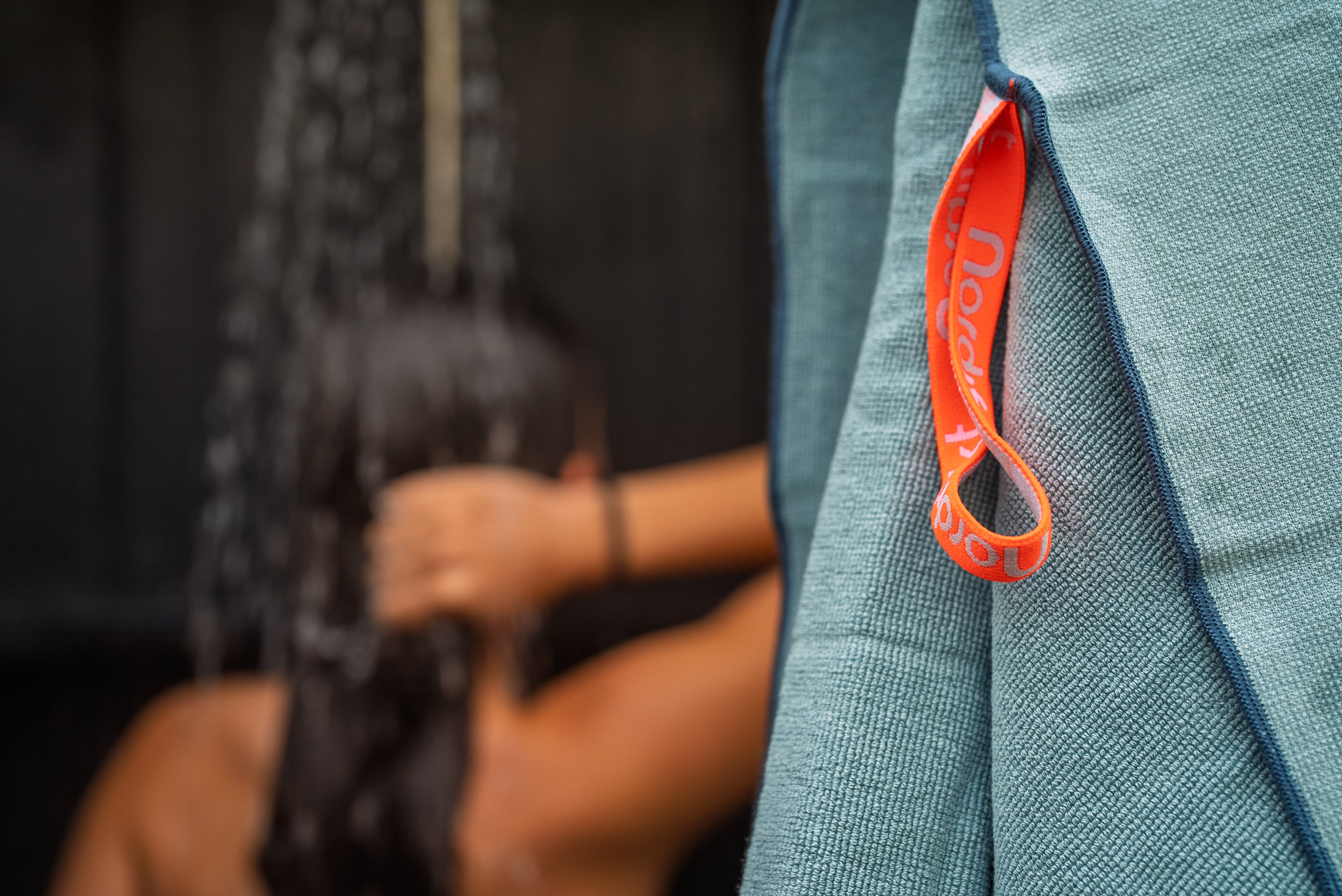
Nordifakt's towels use Polygiene StayFresh as an antibacterial treatment that has been tested to inhibit bacterial growth and reduce odor on textiles. Transferred as an idea to your water setup: The more you keep the equipment around the water clean and dry, the longer the water feels fresh.
For practical purposes, a quick-drying towel can be nice for drying hands and keeping the area around the bottle opening cleaner, so that dirt and moisture are not transferred over and over again. OUTDOOR can make sense here, because quick drying makes it easier to maintain good hygiene on the go, and because less need for frequent washing can save water. At the same time, you avoid unnecessary packaging, which fits well with a more responsible travel and everyday routine.
Leave a comment
This site is protected by hCaptcha and the hCaptcha Privacy Policy and Terms of Service apply.