
Drybag - your guide to packing, sizes and use on a trip
A dry bag is a simple solution when you want to keep track of equipment that doesn't tolerate moisture, or separate wet and dry items on the trip. It's often used for water sports, hiking, and traveling, where changing conditions can make a regular bag impractical. Here's an overview of how a dry bag is typically used, what you should look for, and how it plays well with lightweight outdoor gear.
Roll-top dry bag for kayaking and water sports
Imagine landing on the shore after a trip on the water and finding your phone, extra layers and snacks without everything getting clammy. This is where a roll-top dry bag makes sense. The closure typically consists of a rolled top that folds down and snaps together, providing better protection from splashes and moisture.
A smart habit is to pack in zones: things you need on the go at the top, and “emergency items” at the bottom. This way you avoid rummaging through the entire bag with wet hands.
Waterproof packing bag for electronics and a dry change of clothes
Many people use drybags as waterproof packing bags for electronics, maps, power banks and keys. Equally important is a dry change of clothes: once you have one set that stays dry, the rest of the trip is easier to manage.
Pack into smaller units
Having several small bags or packing pouches inside the drybag will help you find the right equipment faster. It also allows you to separate electronics from textiles and food, for example, so that everything is not all together if something leaks or gets damp.
Drybag 10 L, 20 L or 30 L - how to choose the volume
Choosing liters is mostly about your purpose. A smaller dry bag is ideal for valuables and an extra layer, while a larger one is suitable for clothes, a towel and equipment for longer trips. If you pack light, a smaller towel can still be enough to dry you, while a larger one feels more comfortable to wrap yourself in.
A practical tip is to choose a size where you can still roll the top several times without having to squeeze everything together tightly.
Wet textiles in a drybag - this is how you avoid odor and bacteria
A drybag is good for separating wet things from the rest of your luggage, but moisture can cause odors if textiles are left closed for a long time. Here it makes sense to think about materials and hygiene. Nordifakt uses Polygiene StayFresh technology, which is a silver-based antibacterial treatment that prevents 99.9% of bacteria from growing on the textile, and which is tested to work throughout the product's lifetime. Fewer bacteria often means less odor and can reduce the need for frequent washing, saving water and energy.
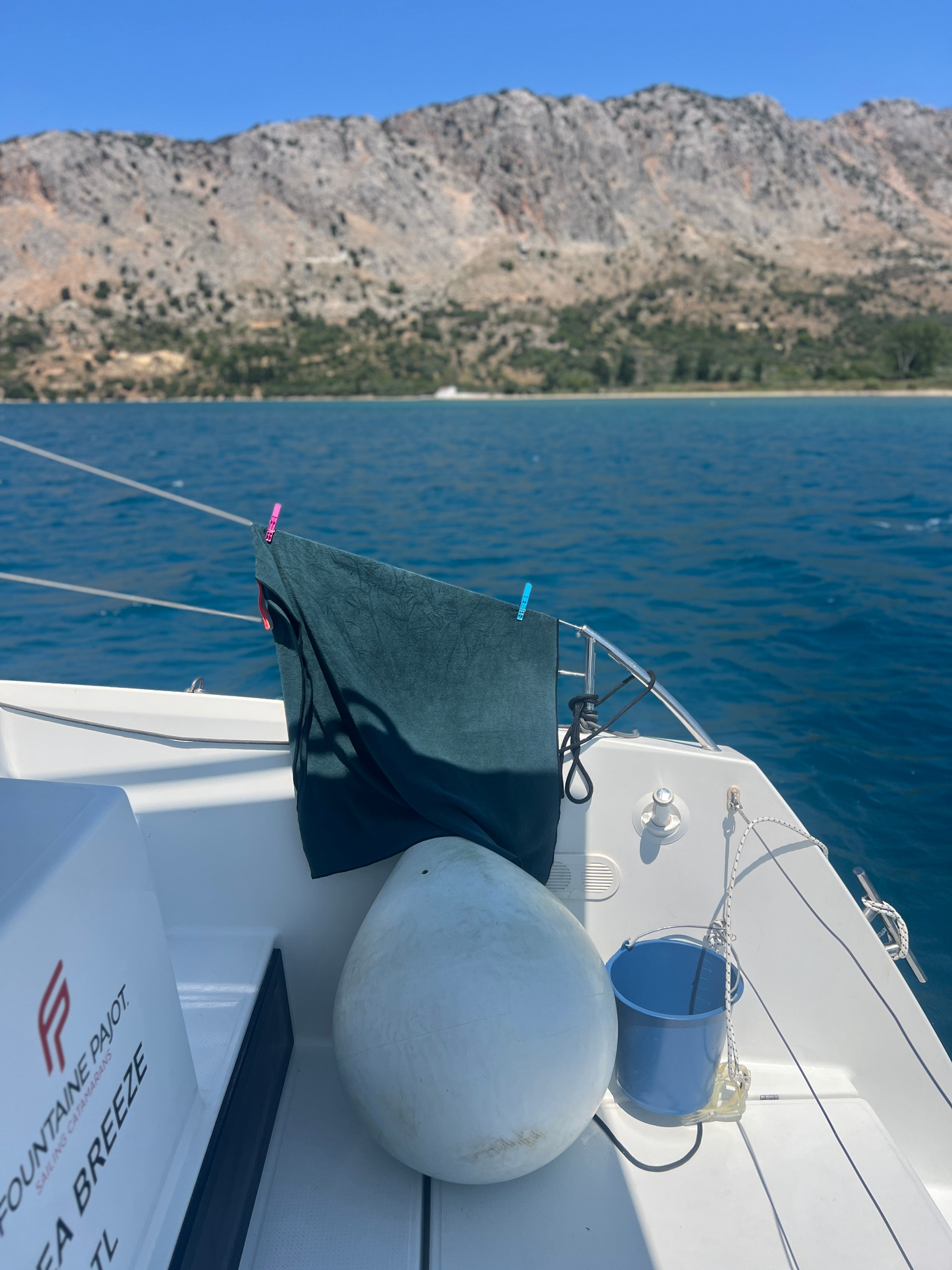
If you combine a drybag with a quick-drying towel, you can hang the towel up whenever you get the chance, instead of wringing it out. An obvious choice for hiking is OUTDOOR towels , which are designed to dry quickly and be easy to carry.
Light packing with drybag and multifunctional equipment
Drybags are often used as part of a simple, flexible packing system: one bag for dry, one for wet, and one for small items. The more multifunctional your gear is, the less stuff you have to lug around. If you want to gather all your gear in one place and build a system that suits your type of trip, you can find relevant choices in the Entire Store .
Leave a comment
This site is protected by hCaptcha and the hCaptcha Privacy Policy and Terms of Service apply.