
Is it allowed to carry a knife - Get to know the rules and exceptions
Many people take a knife with them for outdoor activities, fishing or work, but the rules for carrying a knife in Denmark can be difficult to understand in practice. Here you will get a calm, clear overview of the most important considerations, so that you can better assess when it may typically be relevant to carry a knife, and when it is smarter to leave it at home.
Knife law Denmark
Knife rules in Denmark are largely about where you are and what your purpose is. As a general rule, it is rarely a good idea to carry a knife “just in case” or as a regular part of everyday life in urban and public environments. Instead, it is often assessed based on whether you have a worthy purpose, for example in connection with work or a specific outdoor purpose where a knife is used as a tool.
Recognizable purpose in practice
The key is typically whether the knife is clearly related to an activity where it is needed. In nature, this could be cooking, cutting tasks or repairing equipment. The more “tool” and the less “self-defense”, the better it makes sense to think.
Carrying knife rules in public areas
In public areas, you should be extra careful. Many misunderstandings arise because people think that a small knife is always unproblematic. However, the assessment still depends on the context, and it can become a problem if the knife is easily accessible or if you cannot explain a specific purpose.
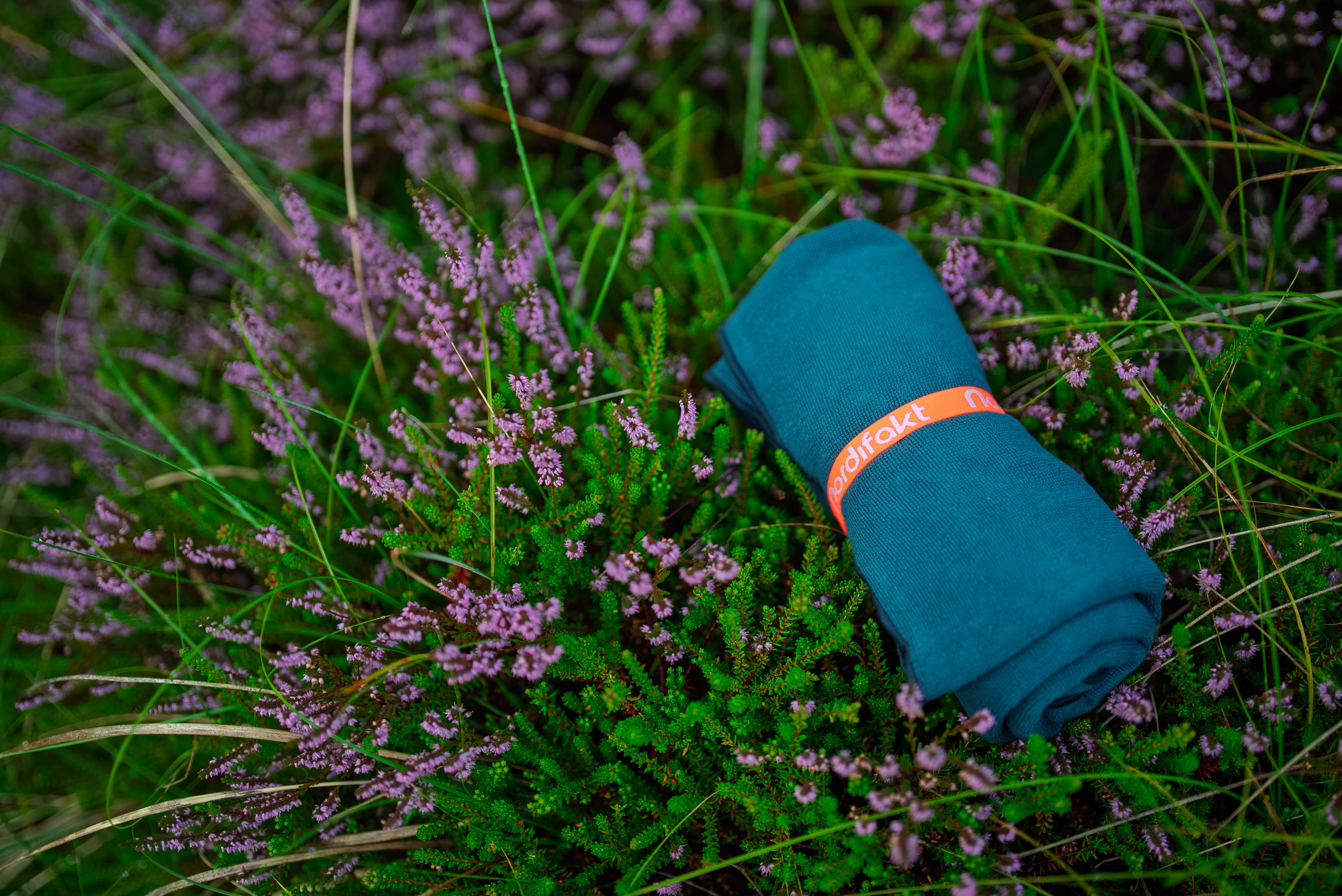
A good principle is to pack your gear so that it clearly signals an outdoor trip rather than a “knife in your pocket”. If you are already packing light and functional for the trip, it can also make sense to bring equipment that makes practical breaks easier, for example a quick-drying towel like the Adventure Smart Towel , which is typically made to be small and can be hung up to dry without getting wrung out. The antibacterial treatment can also mean less need for washing, which can save water on longer trips, and the packaging is kept without unnecessary wrapping.
Folding knife outdoors and other exceptions
Many people look for fixed rules of thumb, especially when it comes to folding knives. There are exceptions and nuances, but it is important not to rely on single rules without looking at the whole: purpose, place and behavior. A folding knife can be practical in the wild, but it can still be problematic in situations where it does not have a clear function.
If you are planning a trip, it is a good idea to think of a comprehensive packing list where each item has a clear purpose. A sturdy water bottle like the Premium Adventure Bottle can be an example of equipment that supports the “tools and trip” context, where many would also consider a knife, without it being about rules in itself.
Transport and storage of knives
How you carry your knife has a big impact on how the situation is perceived. A knife lying loosely in your pocket seems more “ready to use” than one packed away with the rest of your outdoor gear.
Good habits when carrying a knife
Pack the knife in your bag, preferably in a sheath or case, and only take it out when you actually need it. Also think about your stops along the way. If you are walking from a forest path to the city center, it may be wise to ensure that the knife is properly packed away before moving into more public environments. A buff or neckwarmer with practical use on the trip such as the Adventure Neckwarmer can be part of a simple, functional setup, where all the equipment has a clear purpose.
Responsible use and common sense when traveling
Regardless of the details of the rules, the most robust approach is to use the knife as a tool, only when you need it, and to avoid situations where it can be misunderstood. If you are in doubt about a specific situation, the safe decision is often to leave the knife at home or make sure it is packed away and clearly linked to a relevant activity.
Leave a comment
This site is protected by hCaptcha and the hCaptcha Privacy Policy and Terms of Service apply.