
Life straw - discover clean water and simple hygiene in nature
Imagine being in a place without access to running water and still being able to prioritize hygiene and safety. “Life straw” is often associated with portable water purification, but the term also points to a broader need in the outdoors: being able to handle water safely, keep equipment clean and minimize unnecessary consumption when you’re on the go.
Portable water filter for outdoors and travel
When people talk about life straws, they typically talk about the idea of a personal, portable water filter: a simple solution that can make it easier to cope if water sources are unsafe, or if you want an extra layer of security on trips away from infrastructure. In practice, it is important to remember that water quality can vary greatly and that different methods of water purification handle different risks.
A good starting point is therefore to think holistically: water for drinking, water for cooking and water for basic hygiene. Even small routines can make a big difference to comfort when you are away.
When does it make the most sense?
A portable filter concept is especially relevant on hikes, camping and trips, where you can't always plan ahead for your water needs. Here, flexibility becomes more important than perfection, and many choose to combine several habits: sensible source assessment, safe storage of clean water and good hand hygiene.
Water purification and hygiene along the way
Water purification doesn't stop at the water bottle. When you're on the go, you also use water to rinse your hands, clean small items, and stay reasonably fresh. When you can't wash often, materials and equipment that counteract odor and bacterial growth become extra relevant.
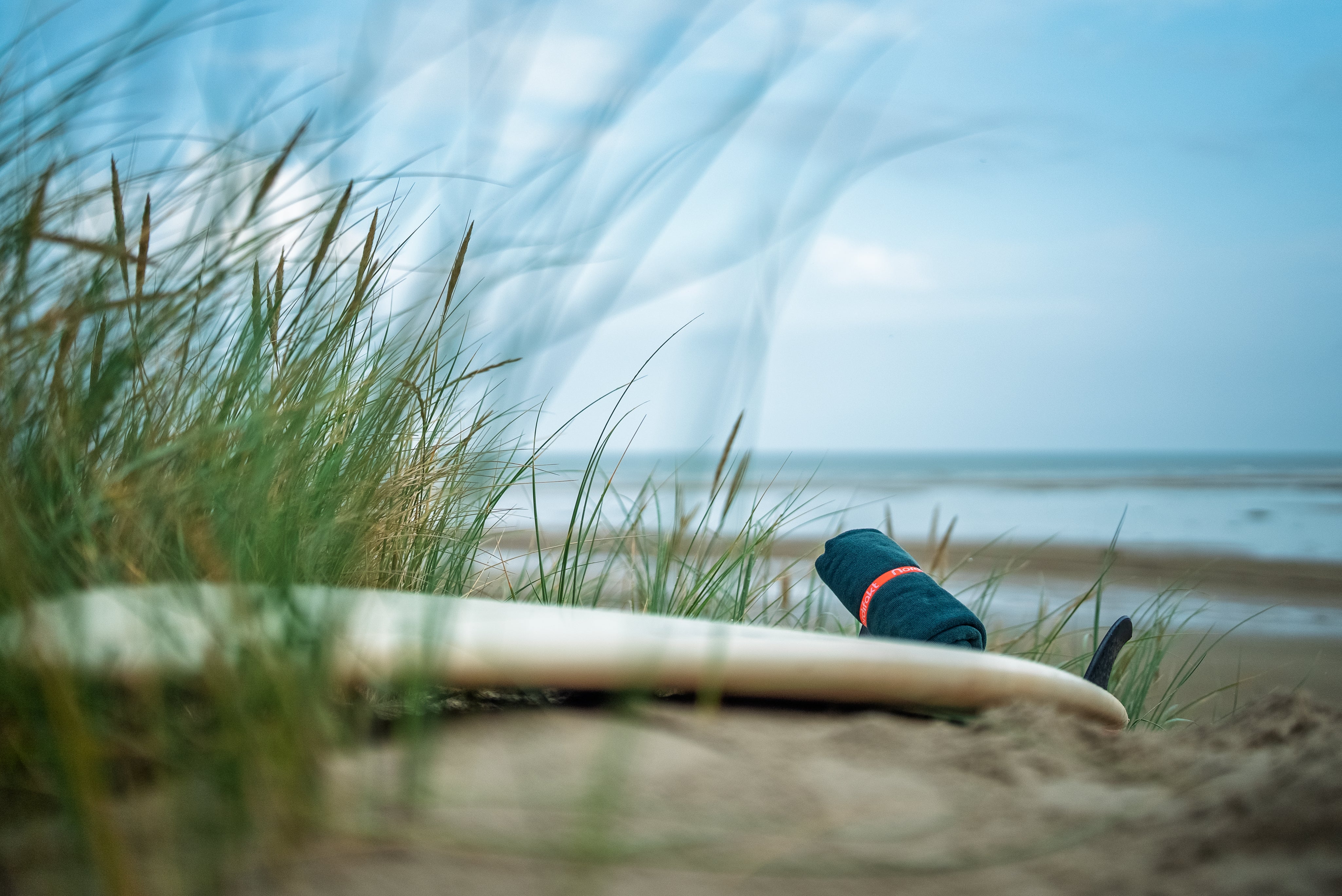
Here, a quick-drying towel can be a practical companion: It dries by hanging up, and it's nice to have by the water's edge, after cooking or after a quick wash. If you want to pack light, a smaller towel can be enough to dry you off, while a larger one feels more comfortable to wrap yourself in. An example is an outdoor towel with an antibacterial treatment such as Polygiene StayFresh, which is described as preventing bacterial growth in the fabric and thus supporting a fresher feeling between washes. You can find a suitable towel here: outdoor towel .
Survival equipment: designed in a simple system
The Life Straw mindset works best as part of a small system, where each part has a clear purpose. For example: water management, something to dry, and a simple way to keep your gear and skin clean. When choosing gear, prioritize light weight, multi-function, and solutions with less unnecessary packaging because it makes sense in the field and reduces unnecessary waste.
Small choices that make the trip easier
Washing textiles less often can also mean less water consumption on your trip. And in practice, it can free up time and energy for what you're really there for: moving, experiencing and being in nature.
Sustainable habits: less washing, less waste
Although life straw is often associated with drinking water, it is just as much about respecting the resource. By choosing equipment that stays fresher longer between washes and minimizing packaging, you can support a more responsible way of being on the go without making it complicated. If you want to see more relevant practical products gathered in one place, you can look here: products .
Leave a comment
This site is protected by hCaptcha and the hCaptcha Privacy Policy and Terms of Service apply.