
Kilimanjaro altitude - plan your climb with facts and tips
What does it really feel like when a mountain rises almost 6 kilometers above sea level? Kilimanjaro's altitude is one of the most important facts to know, because it affects everything from weather and pace to how the body reacts during a climb.
Kilimanjaro height meters and feet
Kilimanjaro peaks at Uhuru Peak, which is 5,895 meters above sea level, equivalent to 19,341 feet. This makes the mountain the world's highest free-standing mountain and a significant difference in altitude from the starting areas to the summit.
When talking about Kilimanjaro altitude, it is particularly relevant to understand that altitude is not just a number. It also tells you something about how quickly the surroundings change the higher you go. Many people find that the same kilometers feel “longer” because the air becomes thinner and the body has to work harder to deliver oxygen to the muscles.
Kilimanjaro peak height and where the mountain is located
Kilimanjaro is located in northeastern Tanzania, close to the border with Kenya. It is an inactive volcanic complex, which partly explains its distinctive shape and height.
The mountain's "peak height" is often cited as the big milestone, but it's the entire climb that makes Kilimanjaro special. The large elevation gain over just a few days requires planning, energy and equipment, even if you're not technically climbing steep walls most of the time.
Altitude sickness on Kilimanjaro and acclimatization
Above approximately 3,000 meters, the risk of altitude-related symptoms increases for many travelers, and altitude sickness often plays a large role in planning. Typical signs can include headaches, nausea, dizziness, and unusual fatigue.
Acclimatization is essentially about giving your body time. Many routes are planned with extra days to increase the chance of a calmer acclimatization, and guides often work with pacing and breaks as part of the strategy. If symptoms worsen, it is important to take them seriously and follow safety procedures, which typically involve rest and in some cases descent.
Kilimanjaro climate zones by altitude
One of the most fascinating things about Kilimanjaro's height is that the mountain stretches through several climate zones, from lush areas at the bottom to harsh, cold conditions near the summit. The shifts are clearly felt in temperature, humidity and wind.
This means that you often get the most out of packing in layers and thinking in terms of versatile equipment that doesn't take up much space. Small choices can make a difference on a multi-day trip, such as fabrics that dry quickly and don't require much washing along the way.
Pack lightly and keep your gear fresh for multiple days at altitude
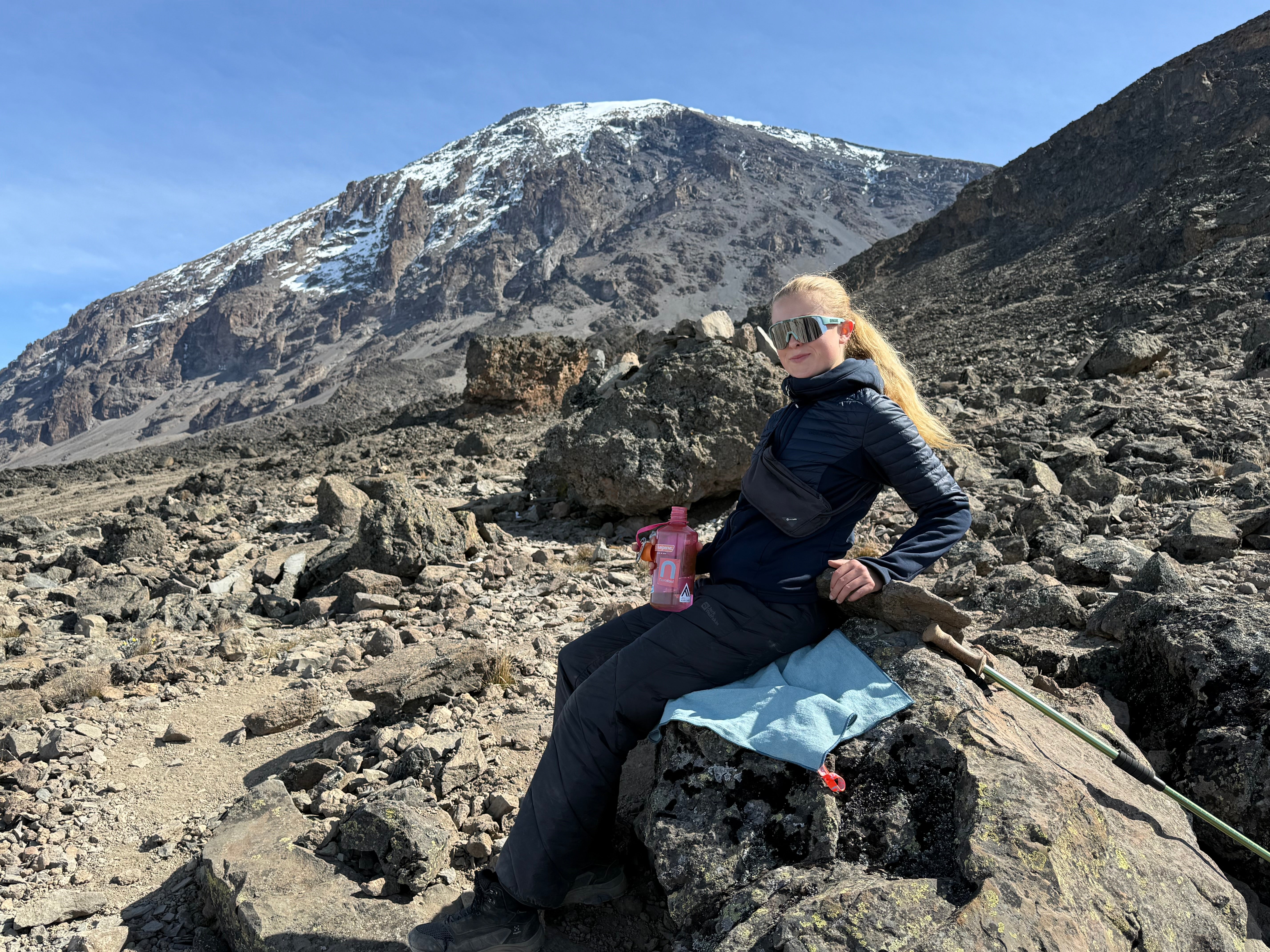
On a trip where the altitude of Kilimanjaro puts pressure on the body, practical routines can become more important than you think. A quick-drying towel can be useful in cabins or tent camps, and if it also has an antibacterial treatment, it can help keep it fresher when washing options are limited. See an example of a travel-friendly towel here: OUTDOOR TOWELS .
Doing less laundry on the go can also mean less water consumption. And when you save on unnecessary packaging at the same time, it fits well with the idea of packing smart and simple. For a comprehensive overview of relevant travel equipment, you can look here: SHOP – ALL PRODUCTS .
Leave a comment
This site is protected by hCaptcha and the hCaptcha Privacy Policy and Terms of Service apply.