
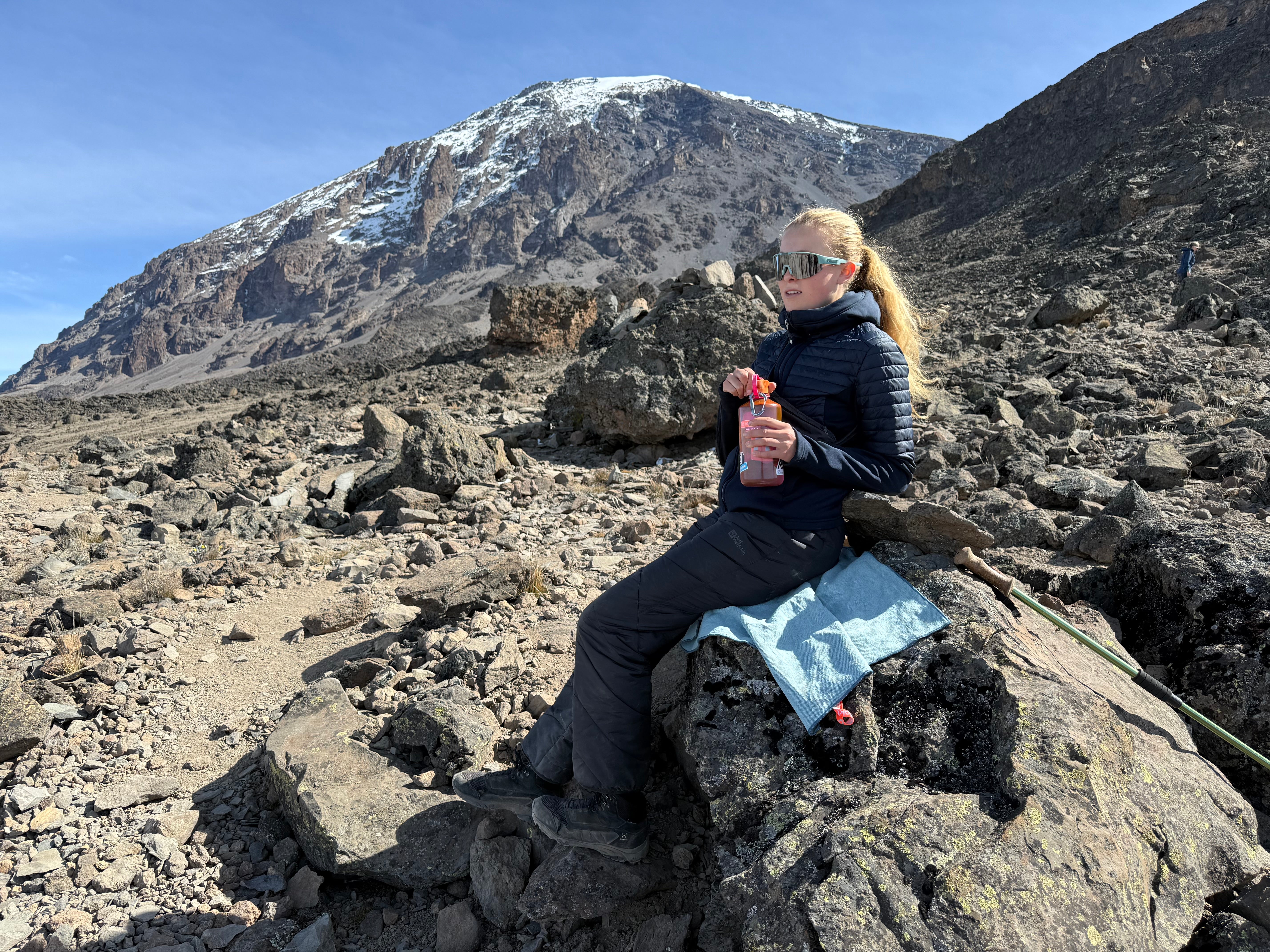
How high is Kilimanjaro - see the height in meters, routes and advice
Kilimanjaro in Tanzania is known as Africa's highest mountain, and the altitude is often the first thing you want to have completely under control before you start dreaming about routes, acclimatization and equipment.
Kilimanjaro height in meters: Uhuru Peak
How high is Kilimanjaro? The peak Uhuru Peak is typically stated to be 5,895 meters above sea level, but you can also find figures in the range of approximately 5,892-5,895 meters depending on the source and measurement method. When people talk about “Kilimanjaro”, it is usually Uhuru Peak on the Kibo volcanic massif that is meant.
Altitude isn't just a number on a fact sheet. It affects everything from pace and weather to how your body reacts to less oxygen in the air.
Where is Kilimanjaro located, and what does the altitude mean for the experience?
Kilimanjaro is located in Tanzania, close to the border with Kenya. What is special about the mountain is that you move through several natural and climatic zones on your way to the top, which many trekkers describe as one of the great qualities of the trip.
The altitude means that conditions can change quickly, and breaks and recovery routines become an important part of the day. For many, it's not about rushing, but about keeping a steady rhythm and being prepared for the body working differently at altitude.
Altitude sickness on Kilimanjaro: why 5,895 m demands respect
As you approach several thousand meters of altitude, the risk of altitude sickness (AMS) increases. Symptoms can typically include headaches, nausea, dizziness and unusual fatigue.
Simple principles of acclimatization
A classic principle is “climb high, sleep low”, where you climb higher during the day and sleep lower when the route allows. In addition, it often helps to go slowly, drink enough and prioritize rest. It is also a good idea to know your own signals and say so well in advance if something feels off.
Routes on Kilimanjaro and typical duration
There are several well-known routes such as Marangu, Machame, Lemosho and Rongai. Many trips are planned over approximately 5-10 days, with several days often providing better opportunities for acclimatization.
The altitude of Kilimanjaro means that the “right” route is not just about views and terrain, but also how well the schedule supports gradual acclimatization. When choosing an operator and program, you may want to look for a plan that doesn’t push you too hard with large elevation changes.
Packing list for Kilimanjaro: small choices that make the trip easier
Equipment becomes extra important when energy is limited at altitude. Practical, lightweight items can make everyday life in camp easier without adding unnecessary bulk. For example, a lightweight, quick-drying towel can be nice after a long day on the trail, and a towel with an antibacterial treatment can mean it can last longer between washes.
This can save both water and effort, and is also an advantage when you want to travel with less unnecessary packaging. A relevant choice for this purpose is OUTDOOR .
If you want to get an overview of what else may be relevant for your trip, you can also look in SHOP .
Leave a comment
This site is protected by hCaptcha and the hCaptcha Privacy Policy and Terms of Service apply.