
Best backpack - get comfort, fit and control on the trail
The best backpack is rarely about one particular brand or one “right” model. It’s about finding the backpack that fits your body, your packing style, and the way you actually use it. Here’s a comprehensive overview of the most important choices so you can choose more accurately and avoid common mistakes.
Best hiking backpack
For hiking, comfort and stability are often what separates a good backpack from one you quickly tire of. A carrying system with good load transfer to the hips can make a noticeable difference, especially as the weight increases. Also look for adjustable back length so the bag can be adjusted to your height, and sensible access options so you don't have to empty everything to find a jacket or snacks.
When evaluating the “best hiking backpack,” it’s also worth considering practical details like compression straps, which can keep the contents close to the body and provide more control on uneven ground.
Lightweight backpack for trekking
A lightweight backpack for trekking is not just about low weight on paper, but about the balance between material, carrying system and durability. Very thin fabrics can save grams, but require you to pack more consciously and take better care of the bag. Conversely, a stronger material can give you peace of mind if you often use the backpack hard or close to rocks, branches and rough surfaces.
Packaging without wasted space
Lightweight choices work best when the contents are packed in logical zones: heavy items close to the back, frequently used items in the top and side pockets, and soft items like clothing to fill in gaps. This results in a backpack that feels lighter in practice because it sits more stably.
Backpack with good fit and carrying system
Fit is one of the most overlooked factors when looking for the best backpack. Start by making sure the hip belt lands properly on your hips and that the shoulder straps follow your body without creating pressure points. The sternum strap should be used to stabilize, not “lift” the weight away from your hips.
A good carrying system also means ventilation and comfort where the backpack makes contact with the body. Materials like mesh and padding can affect both heat and friction, especially on longer trips or daily commutes.
Sustainable outdoor backpack and smart maintenance
If you want to think more sustainably, it may be relevant to choose equipment that can last longer and that does not require unnecessary washing or cleaning. In textiles, there are antibacterial treatments that can inhibit bacterial growth and thus reduce odor. A well-known type is Polygiene StayFresh technology, which is described as a silver-based textile treatment that can inhibit 99.9 percent of bacterial growth and maintain the effect throughout the product's lifespan. Transferred to use around backpacks and hiking equipment, this can mean that things around your pack feel fresher for longer and can be washed less often, which also saves water and energy.
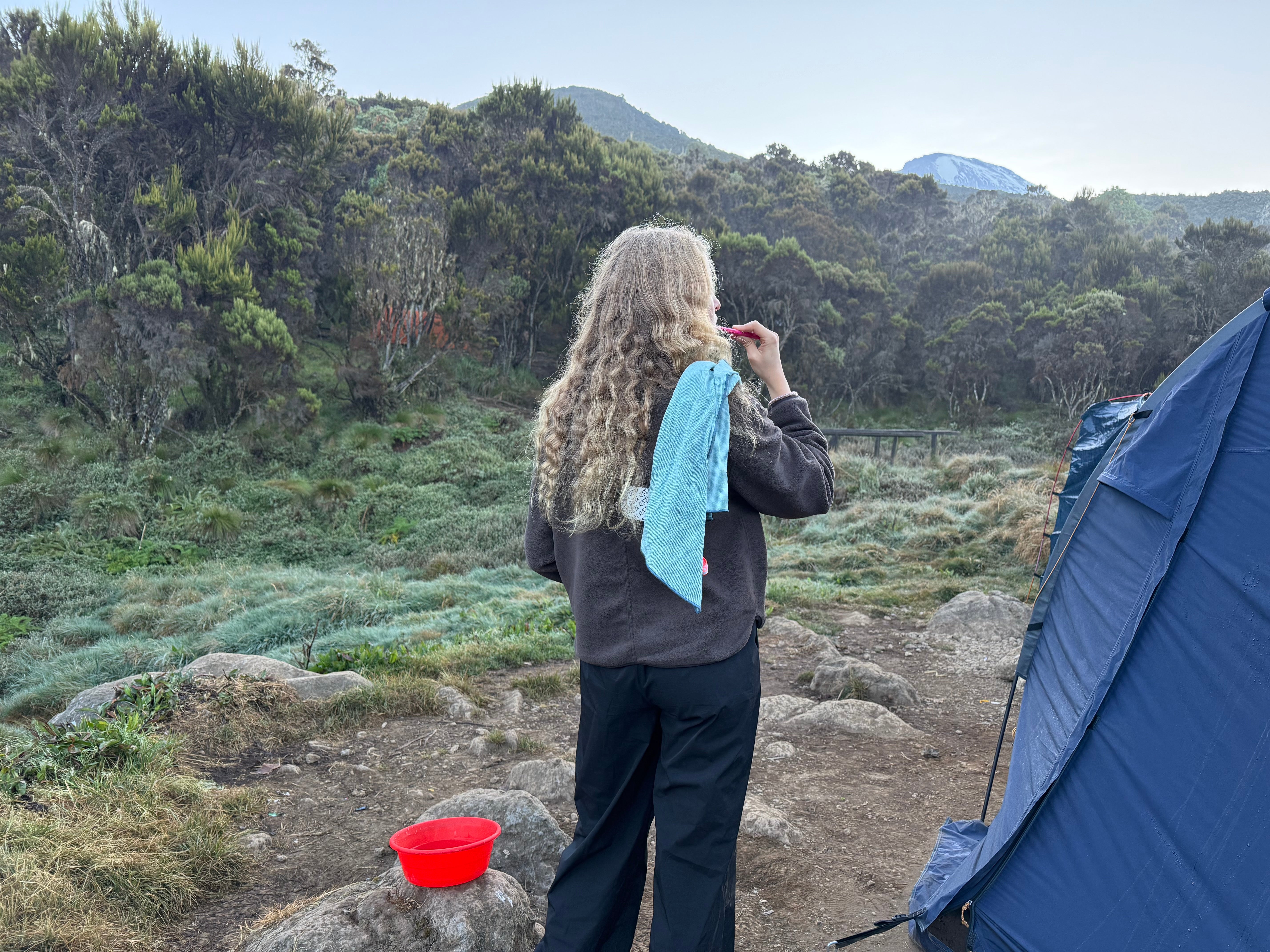
As a practical supplement in the backpack, a quick-drying towel can be relevant because it takes up little space and can be used in many places along the way, for example after bathing or swimming. An example is the Nordifakt towel , which is specifically designed for active use and can be hung up to dry.
Leave a comment
This site is protected by hCaptcha and the hCaptcha Privacy Policy and Terms of Service apply.